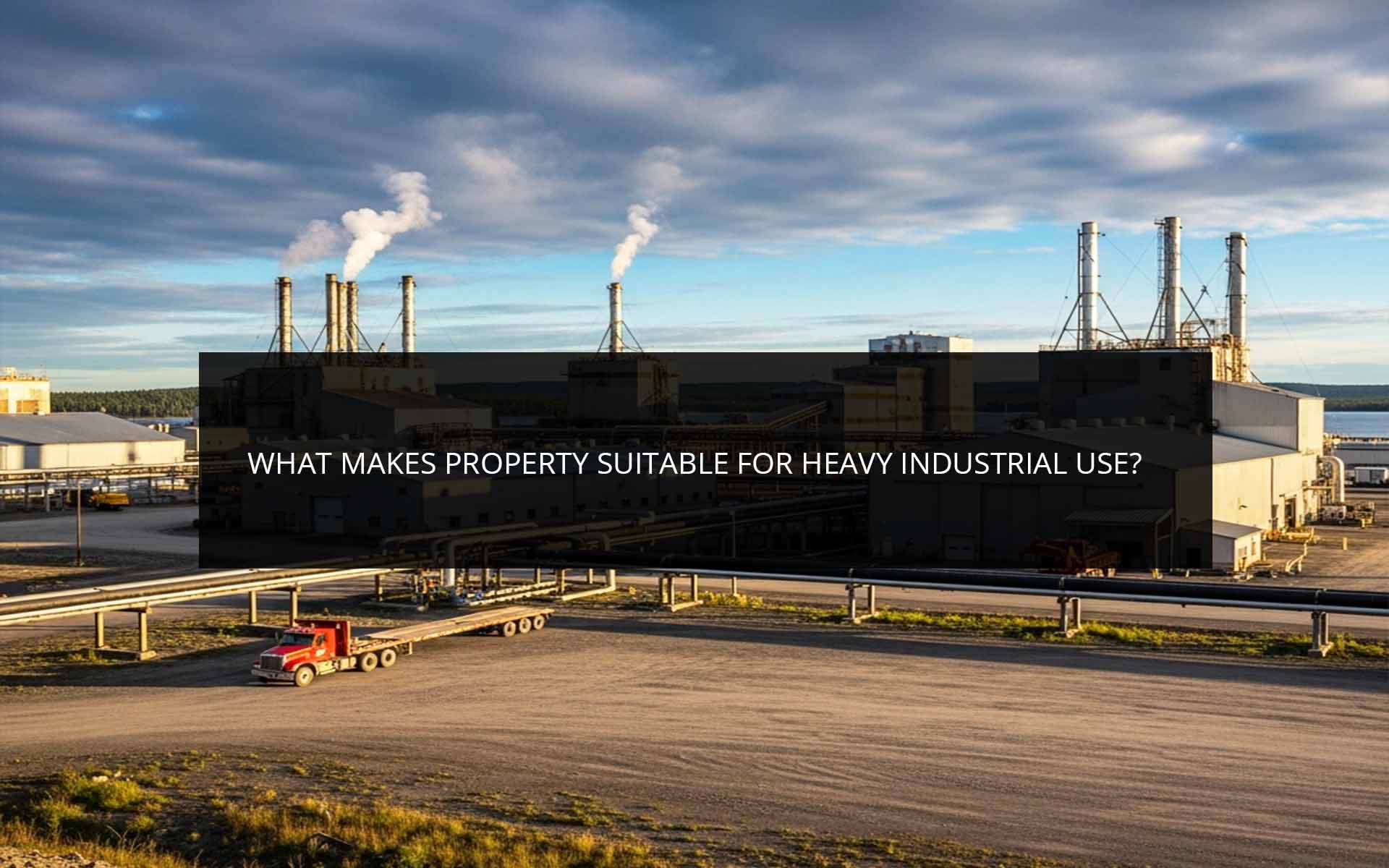
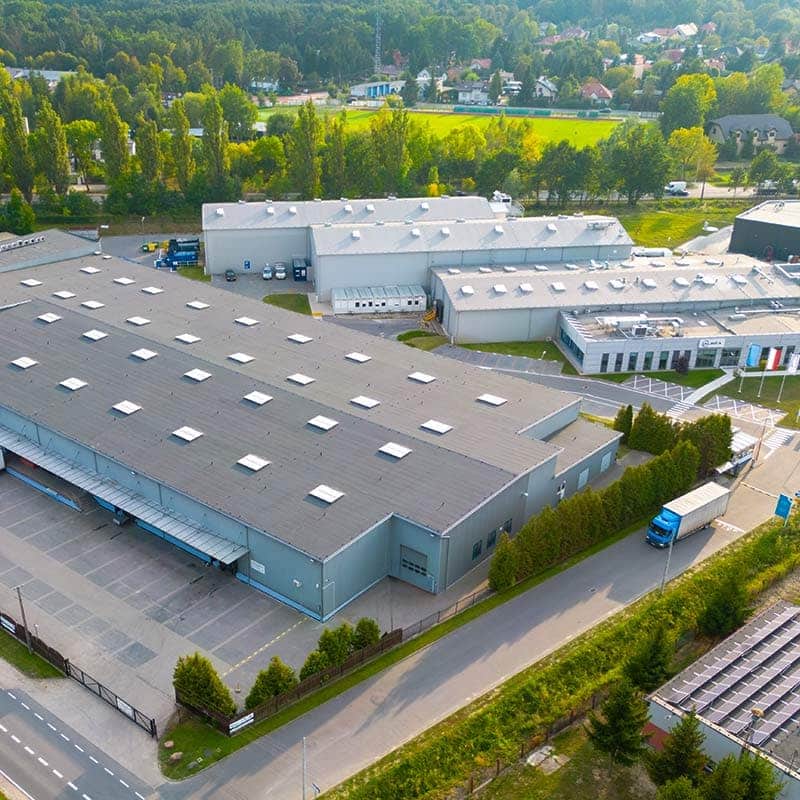
Demand for industrial real estate is ramping up as manufacturers continue to regionalize operations and U.S. consumers increasingly shop online. To address this next wave of demand amid a shortage of viable land, developers and occupiers need to be more open to available building opportunities. Greenfield sites attract attention because they offer a blank slate for developers, but brownfield sites are increasingly becoming viable alternatives for industrial projects.
Brownfield properties—those previously developed sites that are now vacant, underused, blighted, or environmentally impaired in some way—often carry a stigma rooted in outdated perceptions. These sites can offer a range of advantages that align closely with modern industrial requirements—especially as supply chains become more time-sensitive and location-driven.
Strategically Located Sites
One of the most significant advantages of brownfield sites is simply location. These sites were already built to support industrial activity at some point in the past, so they are usually already strategically located near existing highways, railways, and ports. Many may also have established industrial labor pools that new facilities can tap into.
Modern industrial users and tenants want proximity to key primary and secondary markets; Brownfield sites grant access to those locations that greenfield developments simply cannot replicate. Building at urban infill locations along legacy industrial corridors can help businesses as they seek to build more ambitious last-mile and regional distribution strategies.
Just as importantly, these sites frequently come equipped with existing infrastructure, such as roads, power, water, and sewer, that can be upgraded to suit modern needs more cost-effectively than installing from scratch.
Shorter Occupancy Timelines
Whether onshoring or expanding existing domestic operations, businesses often slog through years’ worth of processes and approvals around site selection, permitting, and development before a site can be occupied and start generating revenue. Brownfield redevelopment can shorten project timelines when compared to greenfield development, especially when existing structures can be adapted rather than demolished and rebuilt.
Companies may also find permitting processes streamlined in many locales, since local governments are motivated to see abandoned properties returned to productive use. In many cases, government officials will also actively support redevelopment efforts as they seek to deliver promises around job creation and bring in more tax revenue.
Cost Efficiency Beyond the Purchase Price
While a lot of brownfield sites will involve environmental remediation, significant structural enhancements, or even demolishing and rebuilding, the overall cost often still comes out in favor of redevelopment. For starters, acquisition costs are lower than a greenfield plot, and infrastructure savings can be substantial.
In addition, many state and local incentive programs often exist specifically to encourage brownfield redevelopment. Tax abatements, grants, and remediation assistance can offset upfront investment and make redevelopment programs more affordable over the long term than a greenfield build.
When paired with a developer skilled in modern refurbishment strategies, such as upgrading floor loads, clear heights, dock configurations, and power capacity, older industrial assets can often be repositioned to meet the expectations of contemporary tenants without the premium pricing that scares off many growing businesses.
Sustainability and Responsible Development
As a bonus, organizations with established corporate sustainability and ESG goals may find significant benefits in brownfield redevelopment projects. In situations where developers can reuse some or all existing buildings and infrastructure, they can severely reduce material consumption, limit sprawl, and minimize environmental disruption compared with a fresh build. Redevelopment also eliminates safety hazards, reduces environmental risks, and often decreases crime rates in the communities where these properties exist.
“Brownfield redevelopment allows industrial users to move faster, operate closer to markets where demand already exists, and rejuvenate properties that still have tremendous value,” said Frank P. Crivello, founder and chairman of Phoenix Investors. “When done thoughtfully, these projects can deliver modern functionality while also improving the surrounding community and having a positive impact on the environment.”
Flexibility for Evolving Industrial Needs
Modern industrial tenants are no longer one-size-fits-all. Industrial needs range from light manufacturing and retail fulfillment to more resource-intensive use cases such as heavily automated factories and distribution centers.
Finding new sites that can address this broad spectrum of needs can prove challenging. However, brownfield sites typically have large footprints and existing zoning that support a range of industrial uses. With well-executed upgrades, these properties can accommodate whatever automation, advanced material handling, and specialized equipment a new occupier might need.
A Competitive Edge in a Constrained Market
As greenfield land becomes increasingly difficult to find — particularly near major metros — brownfield redevelopment offers an alternative path forward. It allows developers and occupiers to unlock hidden value, reduce development risk, and respond to market demand in an industrial real estate landscape defined by speed, proximity, and adaptability. As such, brownfield sites are no longer a fallback option, but a strategic advantage — and an increasingly essential component of sustainable industrial growth.
About Phoenix Investors
Founded by Frank P. Crivello in 1994, Phoenix Investors and its affiliates (collectively “Phoenix”) are a leader in the acquisition, development, renovation, and repositioning of industrial facilities throughout the United States. Utilizing a disciplined investment approach and successful partnerships with institutional capital sources, corporations, and public stakeholders, Phoenix has developed a proven track record of generating superior risk-adjusted returns while providing cost-efficient lease rates for its growing portfolio of national tenants. Its efforts inspire and drive the transformation and reinvigoration of the economic engines in the communities it serves. Phoenix continues to be defined by thoughtful relationships, sophisticated investment tools, cost-efficient solutions, and a reputation for success.