Older industrial facilities are having their day in the sun. Construction in the industrial sector has scaled way back over the past two years, partly because pandemic-era projects have come to fruition and flooded the market with available space and partly because many companies have taken a more pragmatic view of their space needs. Just because a building doesn’t have 2025 stamped on the cornerstone doesn’t mean it has no value.
Tenants today who do not want to overpay for their factory or warehouse space are far more concerned about what a building can handle than how old it is. This creates an opportunity for property owners to upgrade their existing facilities to meet the next wave of demand.
Renovating Industrial Buildings for Functionality
There are several factors that remain at the top of tenant wish lists, and they don’t have much to do with aesthetics or cosmetics. Certain fundamentals directly impact efficiency and throughput, so these are the areas owners should focus on if they hope to make an industrial facility more appealing to buyers or renters.
Ceiling Heights
Ceiling heights in warehouses and factories aren’t negotiable for many businesses, especially when they have specific requirements for specialized equipment, racking, and storage systems. Even a few extra feet of clearance can significantly change the range of companies a property will appeal to. As a reference, most modern distribution centers have clear heights of about 32 to 36 feet, although some of the most robust automated storage and retrieval systems used in bulk facilities require at least 40 feet.
Power Availability
Access to power is another non-negotiable for today’s industrial tenants, especially for advanced manufacturers or warehouses that intend to install a high level of automation. Existing facilities that can handle these higher power loads are especially valuable in the market today, as brownfield and greenfield sites with power availability and good interconnection times often get snapped up for data center projects.
Yard Space
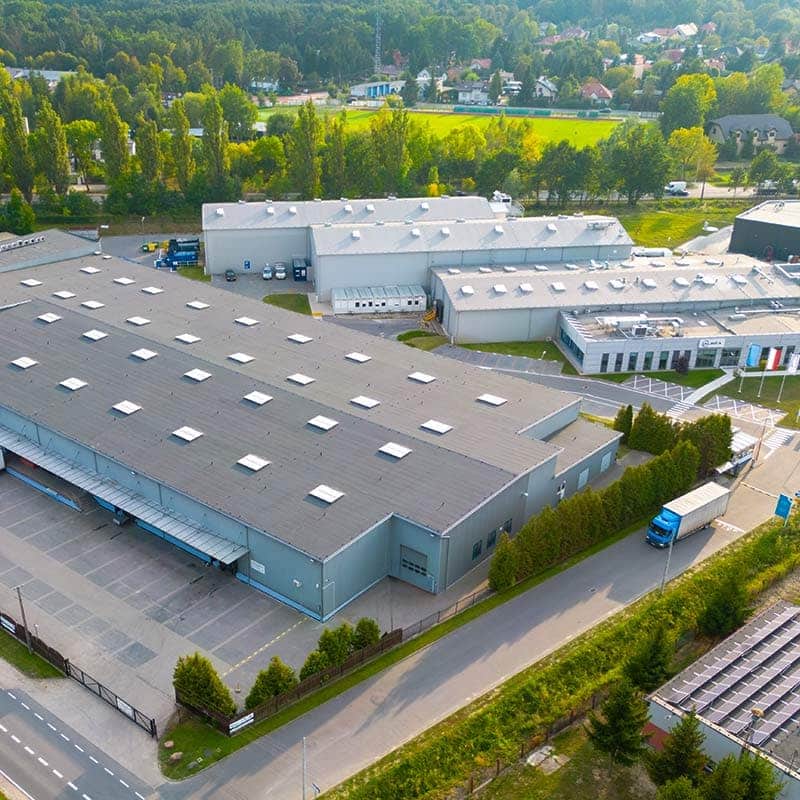
For warehouses that turn a lot of inventory, yard space is in huge demand, especially if they have a dedicated fleet. Yard space can be a dealbreaker for any operation that needs truck parking, trailer storage, drop and pickup yards, outdoor storage, or any mix of the above.
Dock Doors
Some of the latest mega-warehouses have more than 200 dock doors, but you probably don’t need that to appeal to most mid-market tenants. The number of doors a facility should have really depends on the tenant you are trying to attract. For an e-commerce warehouse, larger e-commerce brands often want at least 15 or 20 dock doors, or potentially more if the warehouse is larger than 250,000 square feet. Meanwhile, a manufacturer may need fewer doors and less dock space.
Location and Access Matter More Than Age
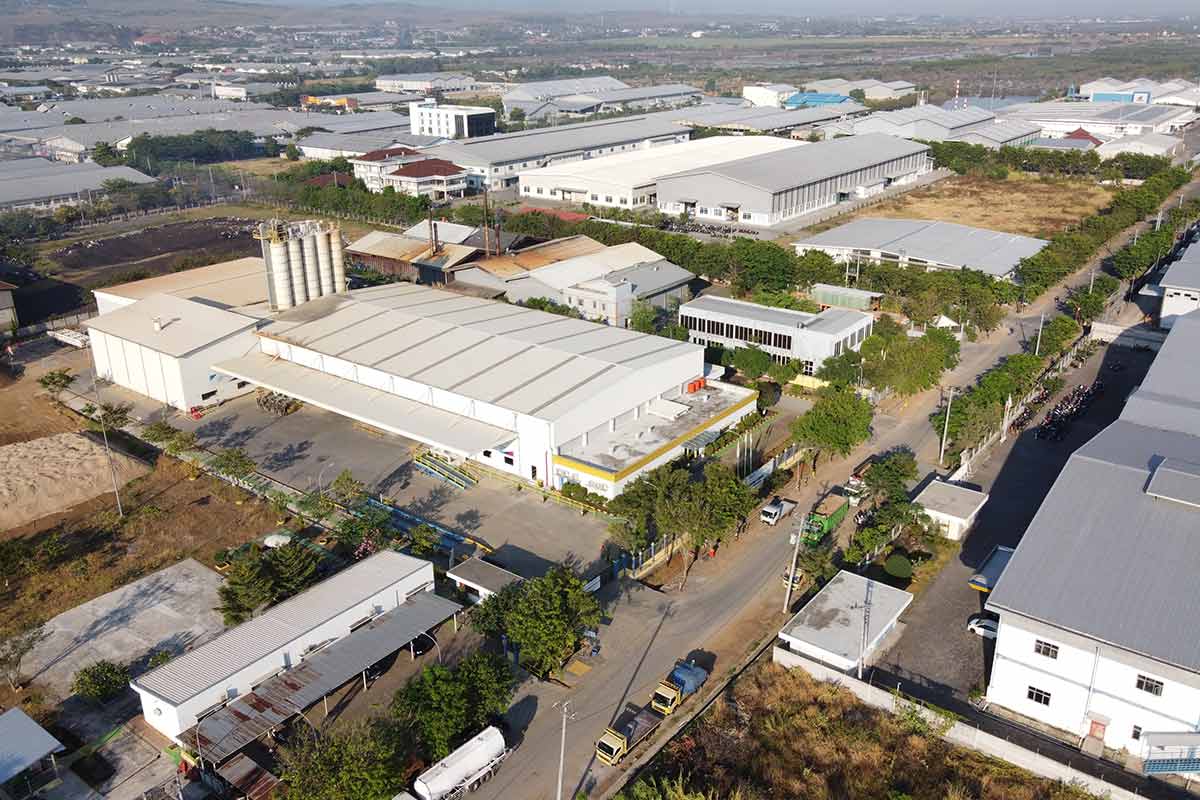
Location is one of the few factors that will consistently outweigh a facility’s age in the decision-making process. The biggest competitive advantage that older facilities have over newly constructed buildings is that many are located in established industrial corridors that don’t have any space left.
Access to big population centers, a good labor pool, robust utility infrastructure, and proximity to ports, rail lines, and highways are all key selling points for older facilities. Even a slightly outdated building in a great location can easily outperform a brand-new facility in a tertiary market.
What Tenants Will Upgrade Themselves
As owners pour money into facilities to make them more marketable, it’s important not to spend too much on things that don’t matter. Tenants are increasingly willing to invest in improvements, especially for facilities located in competitive markets. Here are some examples of areas where tenants will pay for upgrades:
- Lighting: Many tenants are perfectly comfortable removing and replacing outdated lighting systems to gain energy savings from LED systems.
- Office space: Different businesses will have different staffing configurations, so office space is another area where tenants might want to customize the layout to their workforce.
- Racking: Storage systems will vary widely based on the tenant and the products they make or sell.
- Automation equipment: Most tenants don’t want to get locked into fixed automation, such as big conveyor belts, without any input. Many tenants will install their own automation.
Where Landlords Should Invest
While tenants will focus on upgrades that suit their business model, there are certain things they will expect the owner to handle. Most of these upgrades revolve around basic structural integrity, which is good for landlords because it ultimately extends the life of the building itself, resulting in ROI over the long term.
Before putting an industrial facility on the market, landlords should consider upgrading or repairing:
- Roofs
- Floors
- Electrical infrastructure
- Roads and lots (pavement, drainage, etc.)
- Fire suppression systems
- Issues that could create compliance violations
“Tenants aren’t chasing perfection,” says Frank Crivello, chairman and founder of the Milwaukee-based industrial real estate firm, Phoenix Investors. “They’re chasing functionality. If a building can support their operation from day one and has some room to adapt as they grow, that is usually what matters most.”
Old, But Still Operational
Owners of older industrial buildings should focus on performance. In the right context, an established facility is just as valuable as a newly built structure, assuming it can be effectively upgraded and positioned to meet the demands of modern tenants.
If a building delivers on the fundamentals (clearance heights, power access, structural integrity, etc.), many tenants will look past age or cosmetic flaws. Don’t try to erase your building’s age. Just make sure it will perform where prospective tenants need it to.
About Phoenix Investors
Founded by Frank P. Crivello in 1994, Phoenix Investors and its affiliates (collectively “Phoenix”) are leaders in the acquisition, development, renovation, and repositioning of industrial facilities throughout the United States. Utilizing a disciplined investment approach and successful partnerships with institutional capital sources, corporations, and public stakeholders, Phoenix has developed a proven track record of generating superior risk-adjusted returns, while providing cost-efficient lease rates for its growing portfolio of national tenants. Its efforts inspire and drive the transformation and reinvigoration of the economic engines in the communities it serves. Phoenix continues to be defined by thoughtful relationships, sophisticated investment tools, cost-efficient solutions, and a reputation for success.