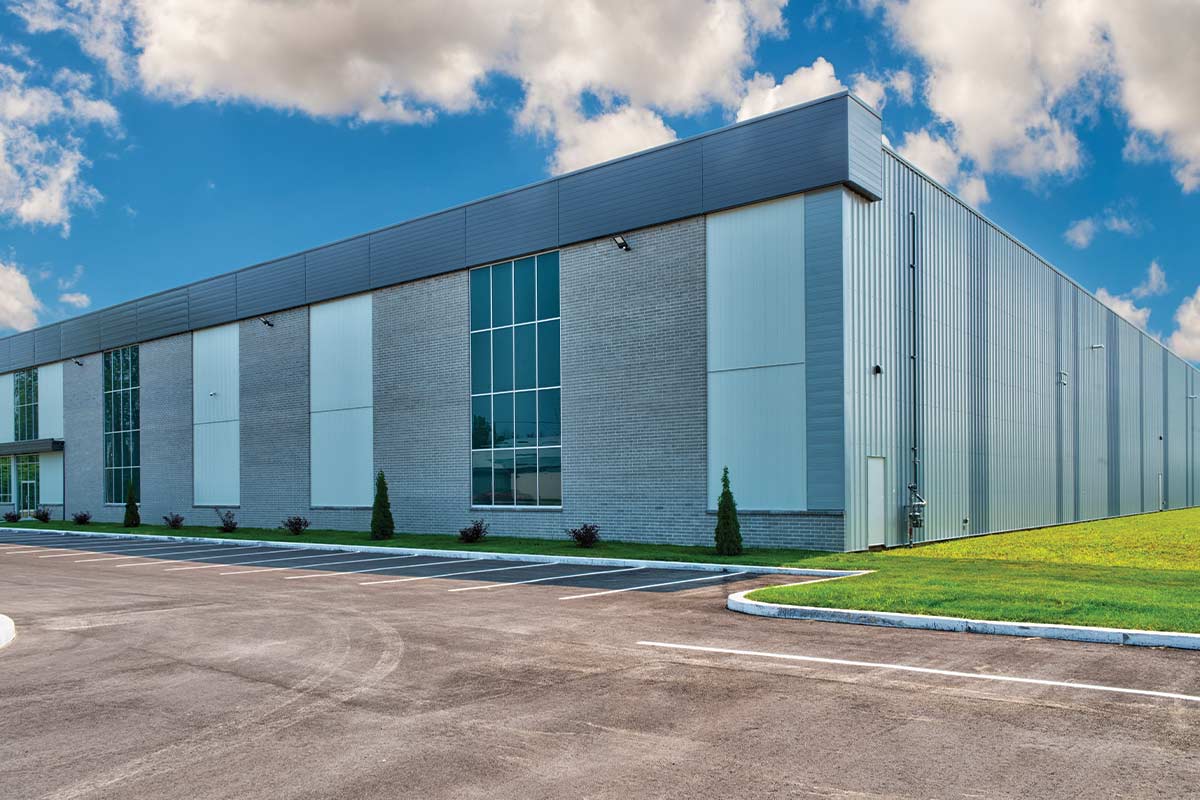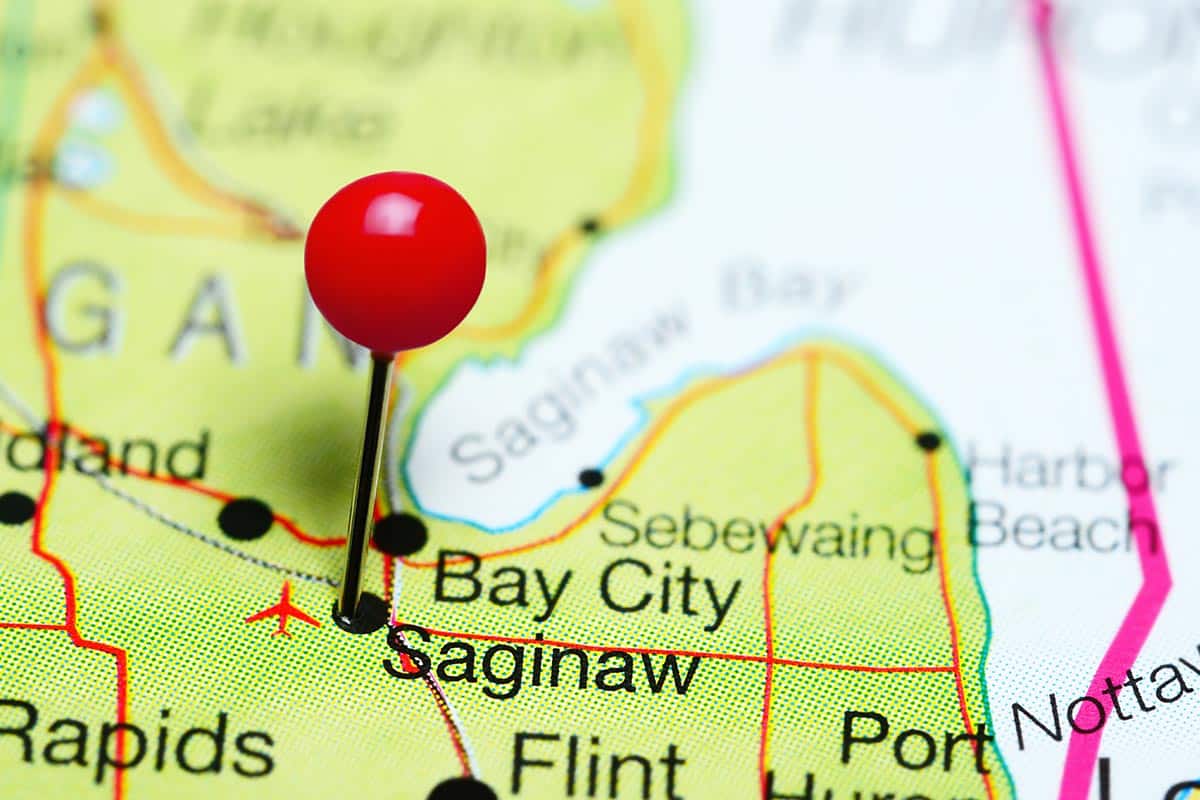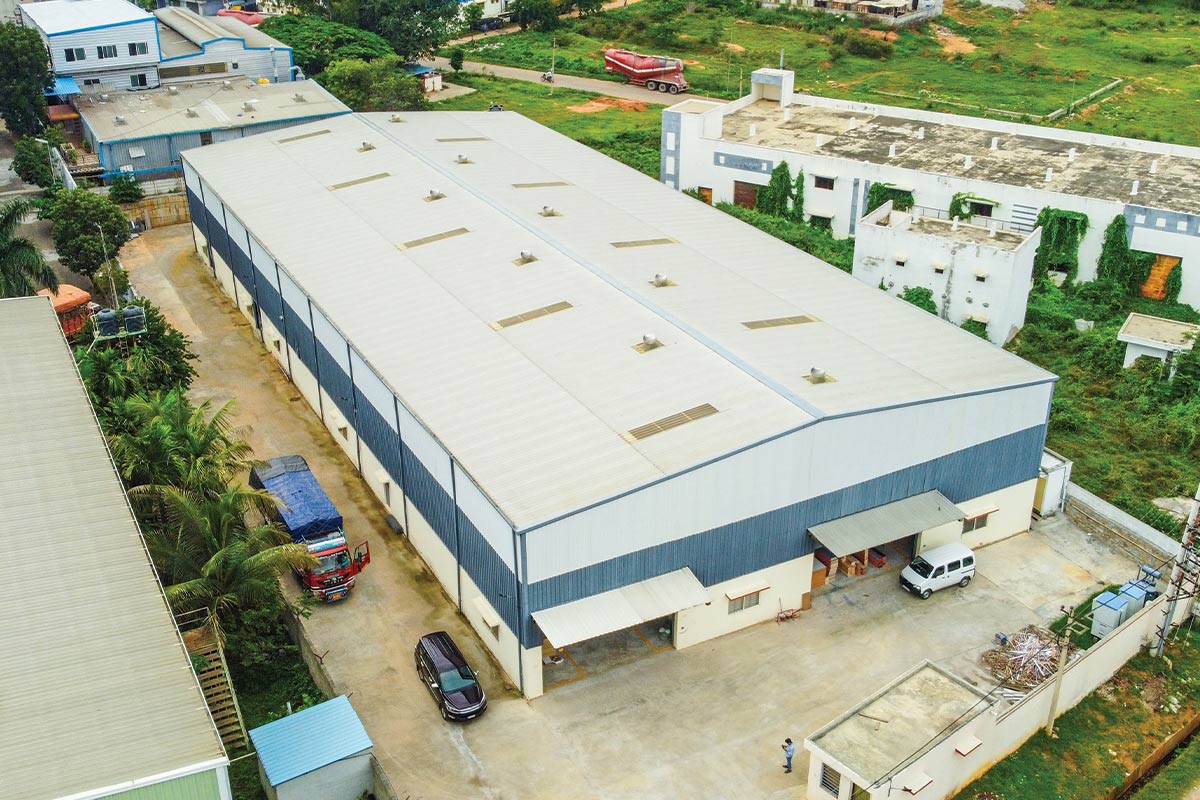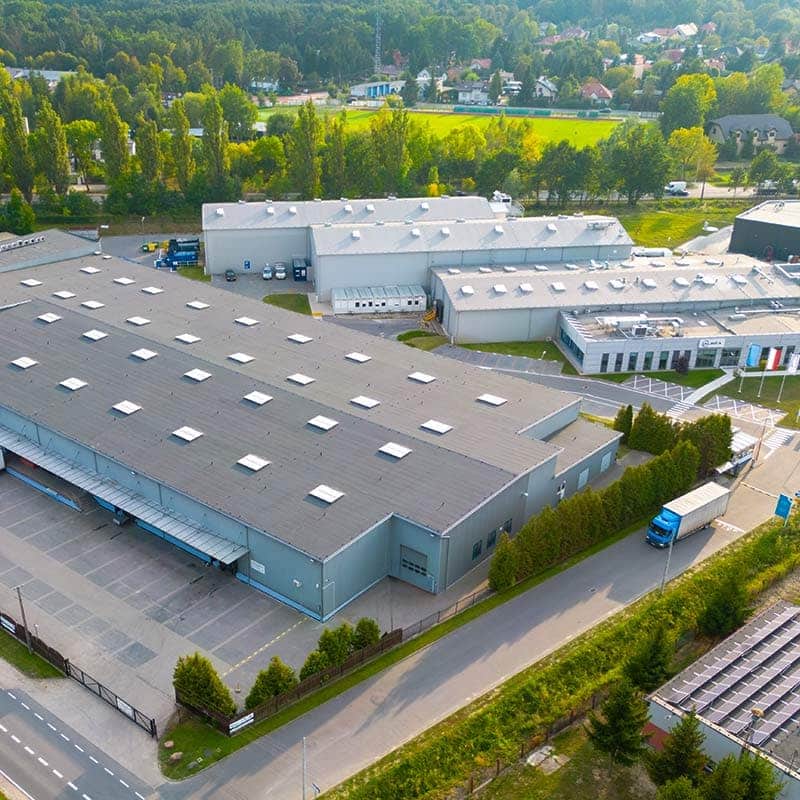
Industrial site selection is becoming more challenging for businesses and developers as competition intensifies among manufacturers, logistics operators, data centers, and other users seeking shovel-ready land to move projects forward. However, as these stakeholders scour listings and speak to brokers about options for their next facility, they often overlook a viable segment of industrial land.
Across the United States, there are thousands of abandoned or underutilized properties, often labeled as brownfield or blighted sites. These locations often have significant unlocked potential for new developers and owners willing to put in a little extra work to bring them up to speed.
What Are Brownfield and Blighted Sites?
Blighted locations and brownfield sites are not the same thing, but they often overlap significantly, and many sites can be both.
- A blighted site refers to a property where existing buildings have fallen into disuse, disrepair, or been outright abandoned. Such sites have a demonstrable negative impact on the communities surrounding them, as they are directly correlated with higher crime rates and lower property values.
- Brownfield sites are a subset of blighted properties that specifically held industrial facilities at one point — warehouses, factories, foundries, and such — where former operations used harsh chemicals or hazardous materials. As the facilities fall into disuse, these materials contaminate the site, making it unsafe.
While these remnants of previous industrial activity no longer serve their original purpose, they can provide a valuable opportunity for reuse. While revitalizing a blighted or brownfield site is not without challenges, the benefits often outweigh the costs. Some of the advantages these sites offer include:
- Proximity to ports, railheads or industrial corridors.
- Locations within or near population centers.
- Existing infrastructure (utility connections, structural foundations, etc.)
- Very low cost, especially if ownership has fallen to a government body that wants it repurposed.
Given the challenges of finding viable greenfield land near major markets and corridors, these qualities create a compelling value proposition for industrial site seekers.
Turning a Brownfield Site from a Liability into an Asset
Repurposing a blighted or brownfield site into something more productive isn’t as simple as flipping a switch, unfortunately. It requires significant environmental remediation, engineering, and construction capabilities on the part of the new owner and/or developer. Here are some of the common steps in the redevelopment process.
- Negotiations. If a site has fallen into disrepair for decades, figuring out who owns it and actually contacting them to make an offer may prove challenging. However, many sites are seized by local governments due to their negative impact on the community, unpaid taxes or fines, or other reasons. In these situations, the local government is often more than willing to partner with businesses that want to clean up the site.
- Assessment. It is important to conduct environmental studies to determine the extent of contamination and the level of remediation required to address it and make the site safe for new operation.
- Upgrading existing infrastructure. While utility infrastructure often already exists, it may be years out of date. Additionally, modern users may need to reinforce floors and modernize power systems. In severe cases, existing structures may need to be razed and rebuilt. These lifts may be slightly higher for adaptive reuse projects intended as advanced manufacturing facilities or data centers, which must account for high power density, cooling systems, and redundancy requirements.
The process is complex, but the payoff is generally well worth the effort. Brownfield development has been shown to increase surrounding property values, create jobs, and generate local tax revenue.
Why Brownfields Are Gaining Momentum
The current resurgence of interest for brownfield development isn’t happening out of nowhere. A number of converging trends across industrial real estate are driving demand for viable brownfields:
- In logistics, the rapid growth of ecommerce has created an ongoing need for infill distribution and fulfillment sites located within or near population centers.
- An increasingly complex mix of geopolitical instability, tariffs, government incentives, and other motivators has prompted companies to expand domestic capacity quickly to offset rising costs.
- The rapid advancement of cloud technologies and artificial intelligence comes along with an expanding need for data center capacity, and developers are looking for any path that can help them bring a facility online faster.
These shifts have begun to reshape how industrial stakeholders think about blighted properties.
“Blighted properties are often misunderstood,” says Frank P. Crivello, chairman and founder of Phoenix Investors. “When you come at them with the right expertise and long-term vision, they cease to be an obstacle and become an opportunity to create modern infrastructure and deliver real benefits to surrounding communities.”
A Proven Path Forward
Successfully redeveloping a brownfield site depends heavily on experience with navigating environmental regulations, remediating pollution, and collaborating with local stakeholders and communities.
Phoenix Investors has extensive experience in remediating blighted locations and brownfield sites. We have a tried-and-true approach for identifying viable sites for redevelopment and investing in their transformation back into productive industrial facilities.
In a market where buildable land is becoming ever more difficult to obtain, and communities regularly push back against new industrial facilities, redeveloping these sites offers a path forward that can work not only for the user of the facility, but the community as well.
With buildable land at a premium, blighted and brownfield sites offer a compelling alternative for site seekers to consider. With the right partner and a thoughtful approach, these sites can regain their former glory and become the foundation for the next generation of industrial and digital infrastructure.
About Phoenix Investors
Founded by Frank P. Crivello in 1994, Phoenix Investors and its affiliates (collectively “Phoenix”) are a leader in the acquisition, development, renovation, and repositioning of industrial facilities throughout the United States. Utilizing a disciplined investment approach and successful partnerships with institutional capital sources, corporations and public stakeholders, Phoenix has developed a proven track record of generating superior risk adjusted returns, while providing cost-efficient lease rates for its growing portfolio of national tenants. Its efforts inspire and drive the transformation and reinvigoration of the economic engines in the communities it serves. Phoenix continues to be defined by thoughtful relationships, sophisticated investment tools, cost-efficient solutions, and a reputation for success.
PHOENIX INVESTORS